Blog
What to Consider Before Installing a New Heating or Air Conditioning System
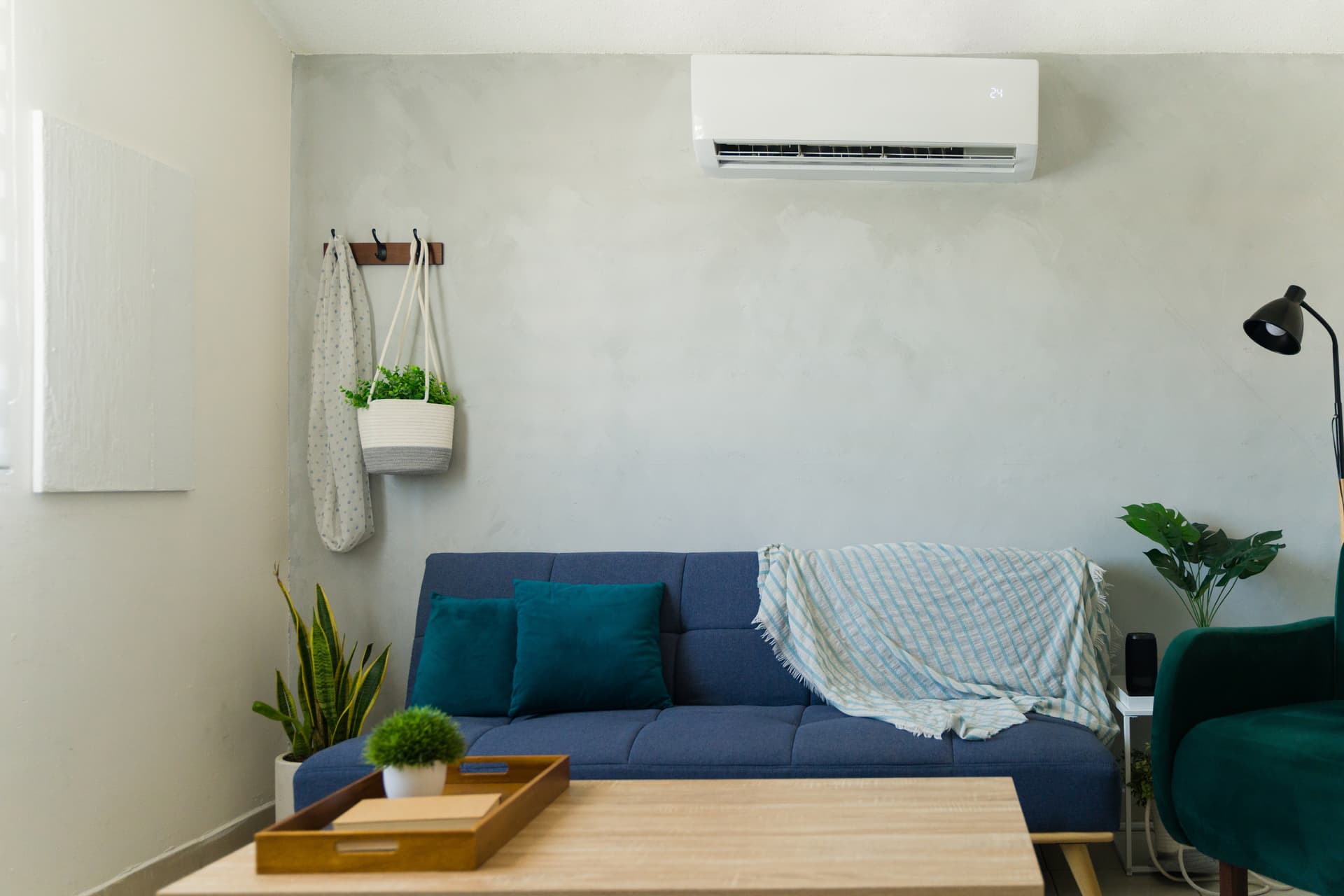
Installing a new heating or air conditioning system is a significant investment, so choosing the right equipment matters. Beyond the initial price, you’ll need to consider your property’s size, insulation, energy consumption, installation requirements and ongoing maintenance.
Whether you’re replacing an ageing boiler, renovating your home or exploring air conditioning for year-round comfort, understanding these factors can help you avoid unnecessary costs and make a more informed decision.
What Should You Check Before Choosing a New System?
Before committing to an installation, consider five essential factors:
Your property’s requirements: Room sizes, insulation, layout and hot water demand.
Equipment suitability: Whether you need heating, cooling or both.
Installation costs: Equipment, labour and any necessary alterations.
Running costs: Energy efficiency, usage patterns and maintenance.
Disruption: How much work is needed and how it affects your property.
The most expensive option isn’t automatically the best. Choosing equipment that’s appropriately sized and suited to your property is more important than simply selecting the latest model.
Understand Your Property’s Heating & Cooling Needs
Every property has different requirements.
A well-insulated home may need less energy to maintain comfortable temperatures than an older property with significant heat loss. Similarly, a south-facing room with large windows may experience uncomfortable summer temperatures even when winter warmth isn’t a problem.
Before choosing equipment, think about:
Which rooms need temperature improvements?
Does your property struggle in winter, summer or both?
Is your existing boiler reliable?
Are you planning an extension or renovation?
Do you need to improve hot water provision?
Could better controls solve some existing problems?
At AGL Heating, we recommend looking at the property’s overall requirements before deciding whether a complete replacement is necessary.
Compare Your Heating & Air Conditioning Options
Different technologies suit different buildings, budgets and comfort requirements.
Gas boiler and radiators
Best suited to: Properties with existing wet central heating.
Main consideration: Boiler condition, radiator sizing and hot water demand.
Underfloor heating
Best suited to: Renovations, extensions and suitable new installations.
Main consideration: Floor construction, insulation and installation depth.
Air conditioning
Best suited to: Rooms requiring cooling and potentially supplementary heating.
Main consideration: Indoor and outdoor unit positioning, noise and electrical requirements.
Controls and radiator upgrades
Best suited to: Properties with suitable existing equipment.
Main consideration: Compatibility and underlying performance issues.
When Is a Boiler Upgrade Worth Considering?
If your existing appliance breaks down frequently, struggles to provide hot water or is becoming expensive to maintain, replacement may be worth exploring.
However, poor radiator performance doesn’t always mean the boiler needs replacing.
Our boiler installation and replacement guide explains the options available for different property requirements.
Could Underfloor Heating Be a Better Choice?
Underfloor heating distributes warmth across the floor rather than relying on individual radiators.
It can work particularly well during renovations when floors are already being altered.
However, insulation, floor construction and compatibility with your heat source all influence suitability.
Explore our underfloor heating solutions when comparing options for your project.
Can Air Conditioning Provide Heating Too?
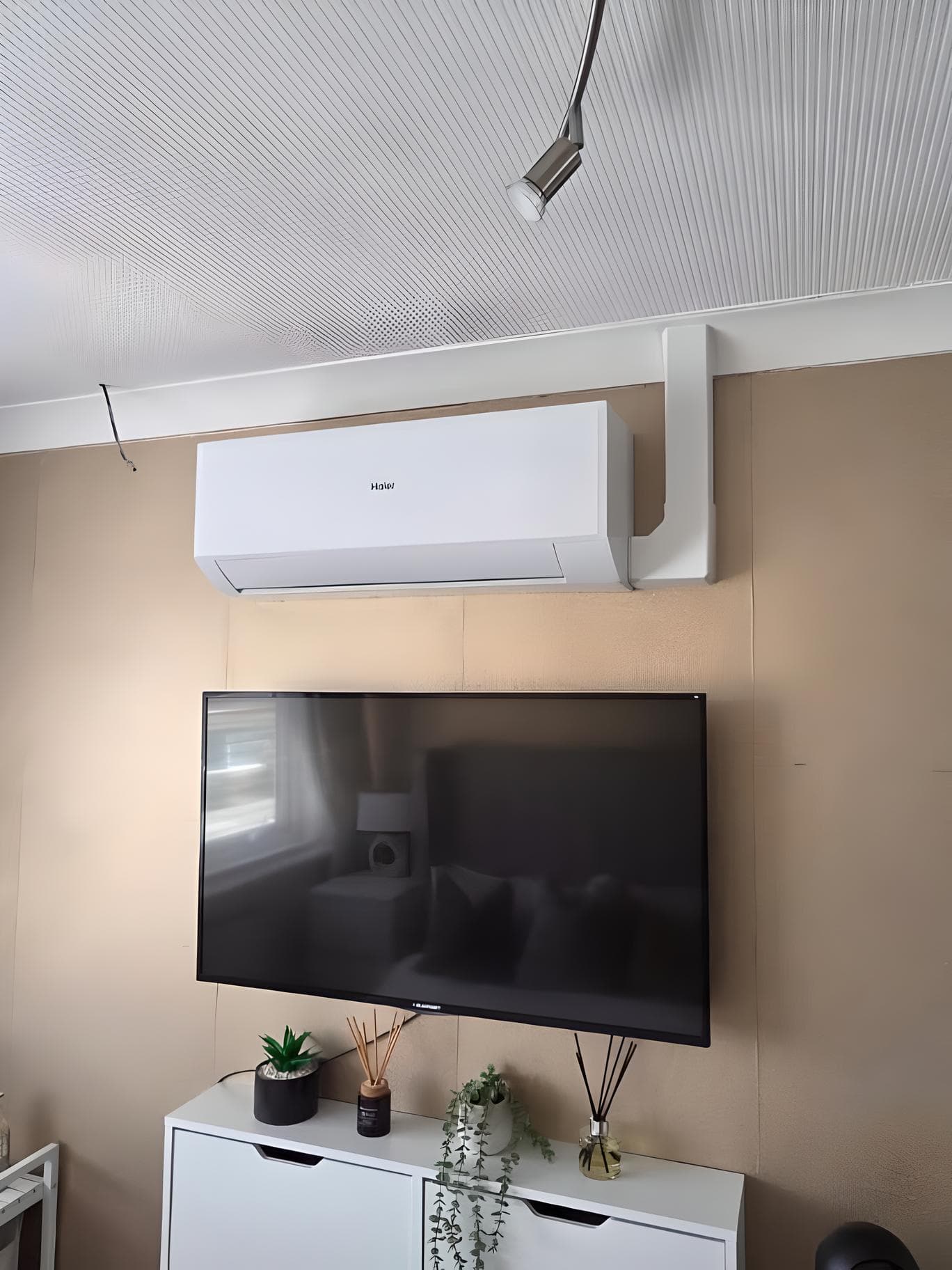
Yes. Many modern air conditioning units use reversible heat pump technology to provide both cooling and heating.
This makes them worth considering for bedrooms, home offices, extensions and commercial spaces where year-round temperature control is important.
However, not every unit provides the same performance. Correct sizing, insulation, outdoor temperatures and equipment specifications all matter.
Air conditioning also doesn’t automatically replace your domestic hot water provision.
Consider Installation Costs & Long-Term Running Expenses
One common mistake is focusing entirely on the upfront quotation.
The overall cost of ownership includes equipment, fitting, energy consumption, servicing and potential repairs.
What Affects Installation Costs?
The main factors include:
Equipment type, size and capacity
Property layout and accessibility
Existing pipework or electrical infrastructure
Required alterations or additional components
Installation complexity and commissioning
A straightforward replacement will usually involve different work from fitting equipment in a newly extended property.
How Can You Compare Running Costs?
Ask how much energy the proposed equipment is expected to use under realistic operating conditions.
For example, an efficient air conditioning unit may use electricity effectively when providing heat, but actual running costs depend on electricity prices, outdoor temperatures and usage.
Similarly, a modern boiler may improve efficiency compared with an older appliance, but savings aren’t guaranteed.
The Energy Saving Trust provides useful guidance on household energy efficiency, while Ofgem explains domestic energy pricing.
How Disruptive Will Installation Be?
Disruption depends on the equipment and existing infrastructure.
Replacing an appliance in its current location may involve less work than relocating it or installing new pipework.
Underfloor installations can require significant floor preparation, while air conditioning typically involves mounting indoor and outdoor units, routing connecting pipework and arranging suitable electrical connections.
Before agreeing to work, ask:
Which rooms will installers need access to?
Will floors, walls or ceilings need alterations?
How long might essential services be unavailable?
Will any making-good work be required?
What checks and commissioning are included?
Discussing these details beforehand helps you plan around the work and avoid misunderstandings.
Don’t Overlook Controls & Maintenance
Good equipment still needs appropriate controls.
Programmable thermostats, zoning and compatible smart controls can help manage comfort without unnecessarily warming or cooling unused rooms.
Our thermostats and heating controls page explains options for improving temperature management.
Maintenance matters too. Gas appliances should be serviced in accordance with manufacturer guidance, and air conditioning equipment requires appropriate cleaning, inspection and servicing.
Always use suitably qualified professionals for gas, electrical and refrigerant-related work.
Frequently Asked Questions
Should I Replace My Boiler or Upgrade My Existing System?
It depends on the appliance’s condition and the cause of poor performance. Radiator improvements, circulation work or modern controls may be sufficient without a complete replacement.
Can Air Conditioning Heat My Home in Winter?
Many reversible air conditioning units can provide heat during winter. Their suitability depends on correct sizing, insulation, outdoor conditions and the property’s overall requirements.
Will New Equipment Reduce My Energy Bills?
It may improve efficiency, but actual savings depend on your existing equipment, energy tariffs, usage and property characteristics.
Should I Upgrade My Thermostat at the Same Time?
It’s worth considering. Compatible modern controls can provide more convenient scheduling and temperature management, particularly when replacing older equipment.
Make an Informed Decision Before You Install
The right choice should balance comfort, efficiency, upfront investment and long-term reliability.
With over 30 years of trade experience, we understand the importance of considering the whole property rather than recommending equipment in isolation.
If you’re planning improvements in St Helens or our surrounding service areas, we’re happy to discuss your requirements and help you explore suitable options.
Considering a new heating or air conditioning system? Contact AGL Heating to discuss your project and request a quotation.
Other Articles